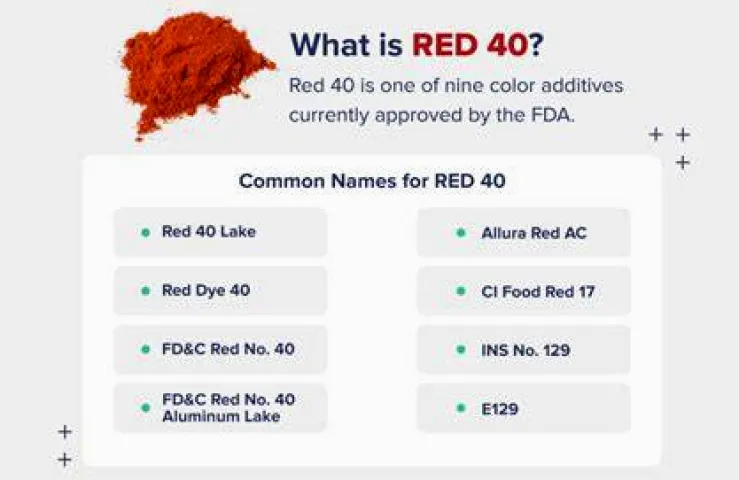
Is Red Dye 40 Harmful? What the Evidence Actually Shows
Red 40 remains permitted in the U.S., but evidence suggests some children may experience behavioral effects. See what research, safety limits, and labels reveal.
Explore topics related to the brain, spinal cord, nerves, and neurological conditions, including symptoms, diagnosis, treatment, and nervous system health.
Red 40 remains permitted in the U.S., but evidence suggests some children may experience behavioral effects. See what research, safety limits, and labels reveal.
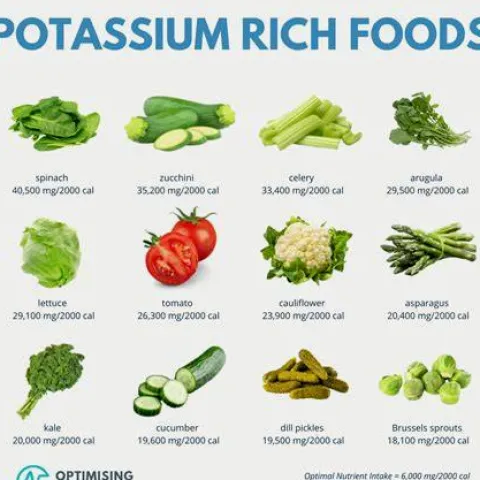
Discover potassium-rich foods beyond bananas, how much potassium adults need, why the mineral matters, and when high-potassium foods may require extra caution.
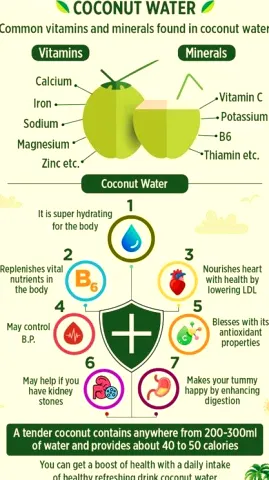
Coconut water can hydrate and provide potassium, but many broader health claims remain unproven. Learn its benefits, limits, risks, and best uses.
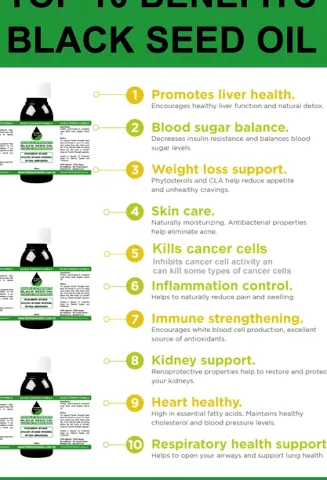
Explore the potential benefits of black seed oil, what human research actually supports, key safety concerns, and why it should not replace proven treatment.
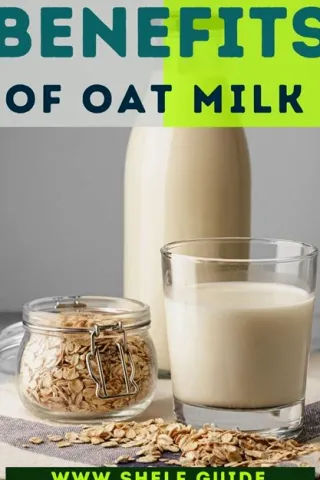
Is oat milk healthy? Compare its nutrition, benefits and drawbacks with cow's milk, and Find out how to choose a fortified, lower-sugar product.
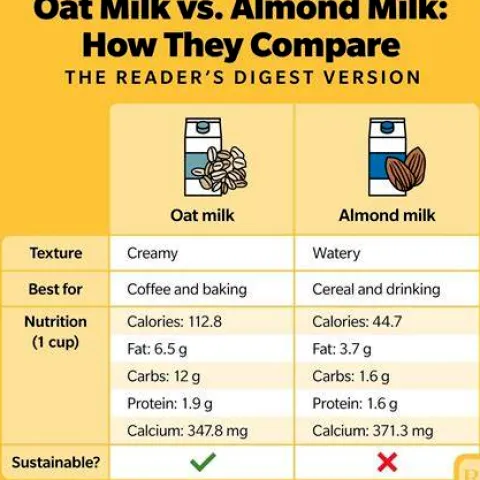
Compare oat milk and almond milk by nutrition, calories, weight-loss goals, allergies, taste, and labels to choose the right option for you.
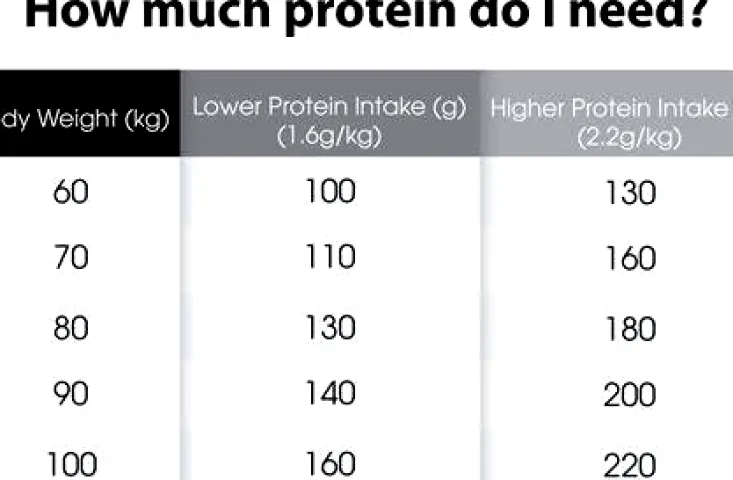
Calculate a practical daily protein target for muscle gain, understand where evidence shows diminishing returns, and Find out how training, meal distribution, food choices, and health conditions affect that target.
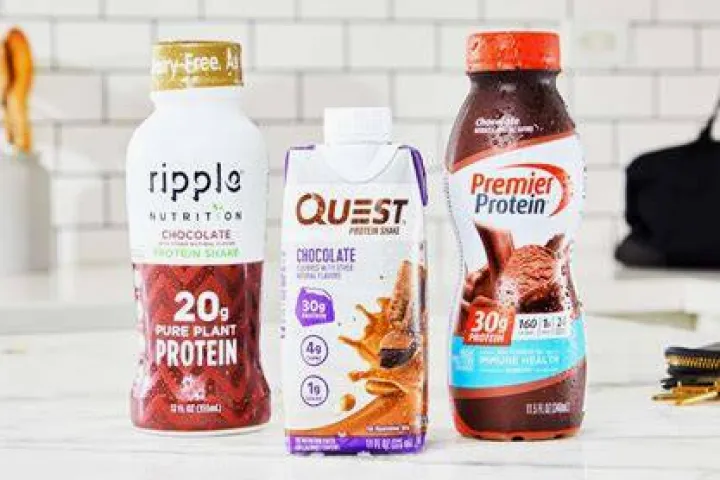
Protein shakes can conveniently fill a dietary gap, but their value depends on your needs, the product, and how they fit into your overall diet.
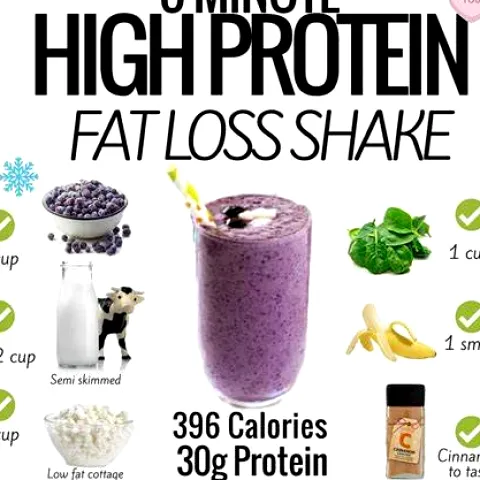
Protein shakes can support weight loss when they help control calories or meet protein needs, but they do not cause fat loss on their own. Discover what evidence shows, when timing matters, and how to choose and use a shake safely.
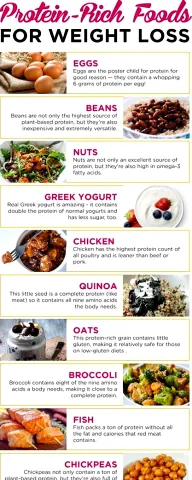
Compare filling, nutrient-dense protein foods for weight loss, including lean animal choices, plant proteins, lower-fat options, and practical meal ideas.
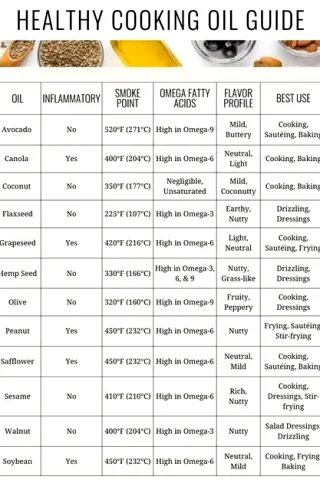
See which cooking oils are healthiest, how olive, canola, avocado and other oils compare, and how to choose an oil for heat, flavor and heart health.
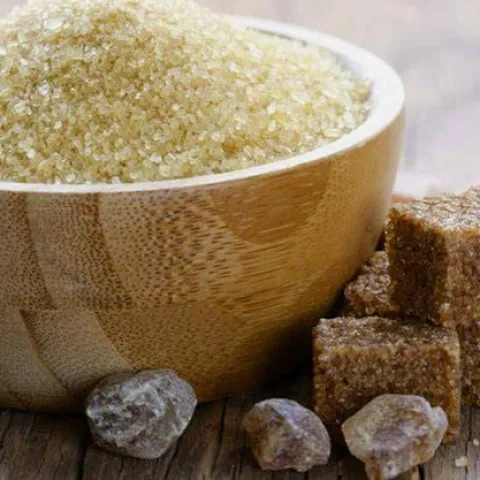
Find out how cane sugar compares with table sugar, raw sugar, and high-fructose corn syrup, plus evidence-based limits and practical ways to reduce added sugar.
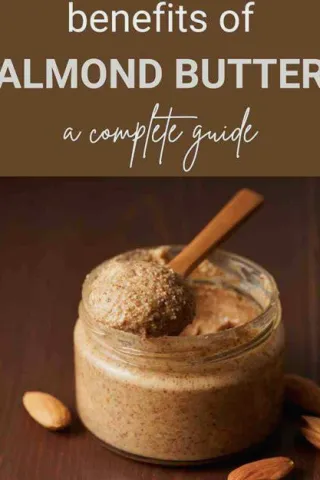
Almond butter can be a nutritious choice, but ingredients, portions, allergies, and the rest of the diet matter. Find out how it fits into heart health and weight loss.
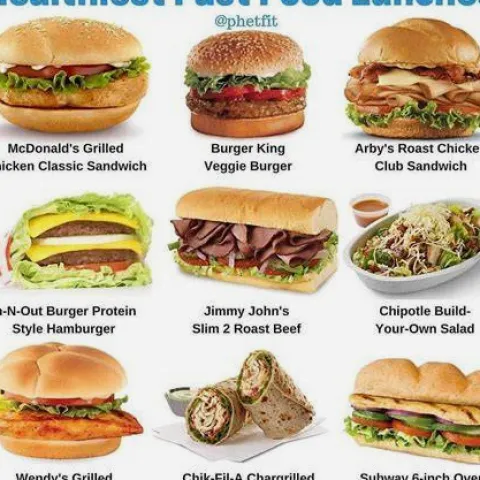
Find out how to find healthier fast-food meals, compare menu nutrition, build a balanced order, and make practical swaps for breakfast, lunch, or dinner.
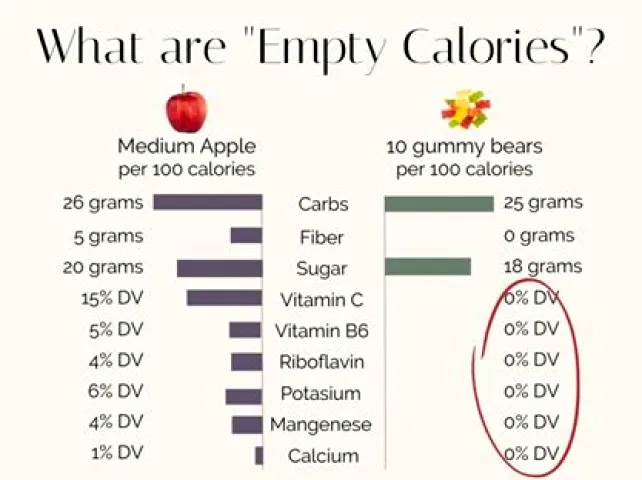
Discover what empty calories are, where they commonly appear, why nutrient density matters, and how to identify and replace them without banning favorite foods.
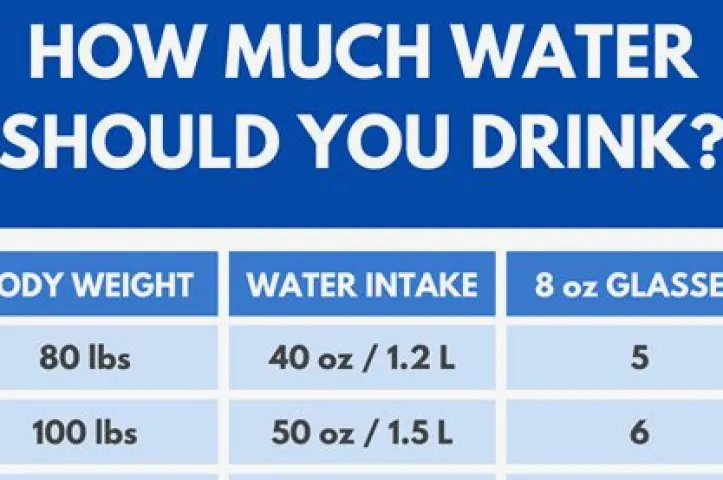
Daily water needs are not one-size-fits-all. Discover what official intake figures mean, what counts toward hydration, when needs change, and how to spot too little or too much.
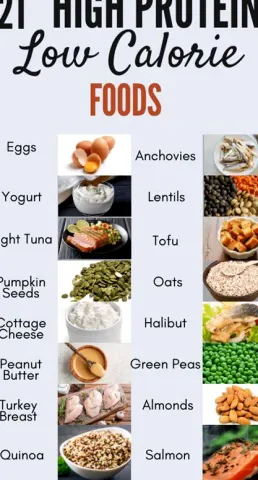
Compare protein-rich foods by calories, nutrition, convenience, and dietary fit, with practical animal- and plant-based choices for meals and snacks.
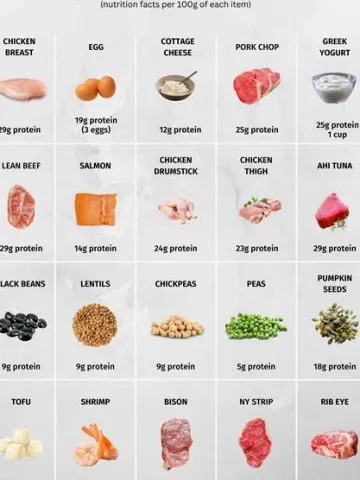
Discover 10 high-protein foods, including plant and animal options, plus practical tips for comparing portions, protein quality and overall nutrition.
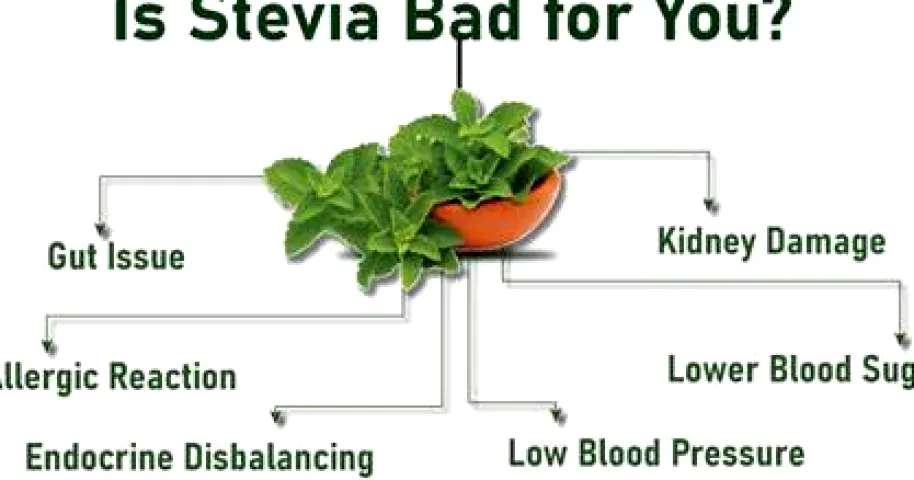
Is stevia bad for you? Discover what regulators say about purified steviol glycosides, why raw stevia faced restrictions, and what product labels reveal.
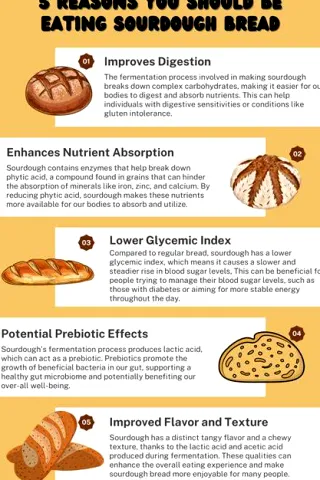
Discover what sourdough fermentation may change, why flour and nutrition labels matter, and when sourdough is-or is not-a healthy bread choice.
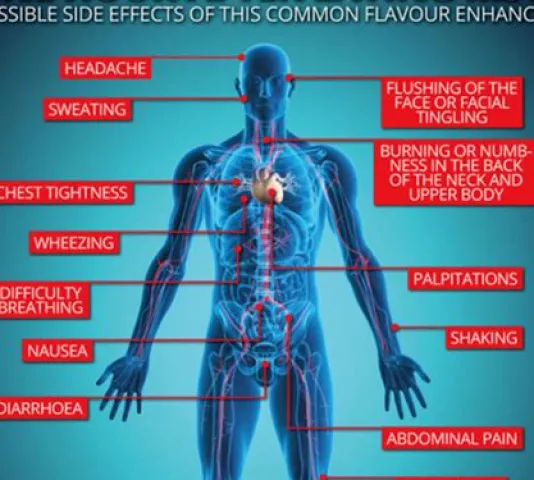
Is MSG bad for you? Discover what regulators and human studies say about its safety, possible short-term reactions, food labels, and common myths.
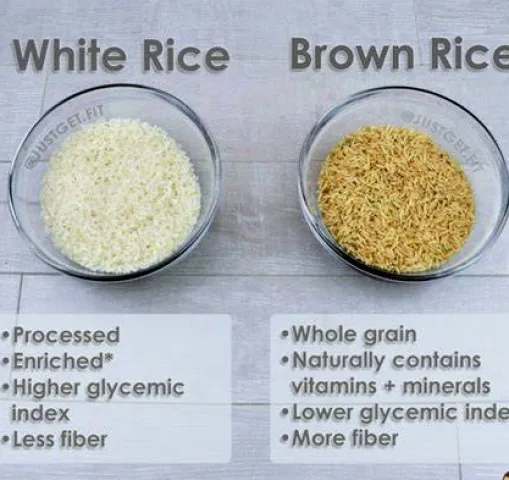
Compare brown and white rice by processing, nutrients, blood sugar effects, digestion, arsenic, taste, and cooking to choose the right rice for your needs.
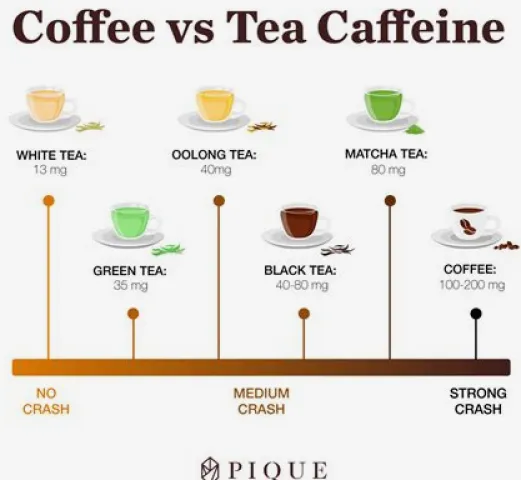
Green tea naturally contains caffeine, but the amount varies. Learn typical levels, how green tea compares with coffee, and what to consider when limiting caffeine.
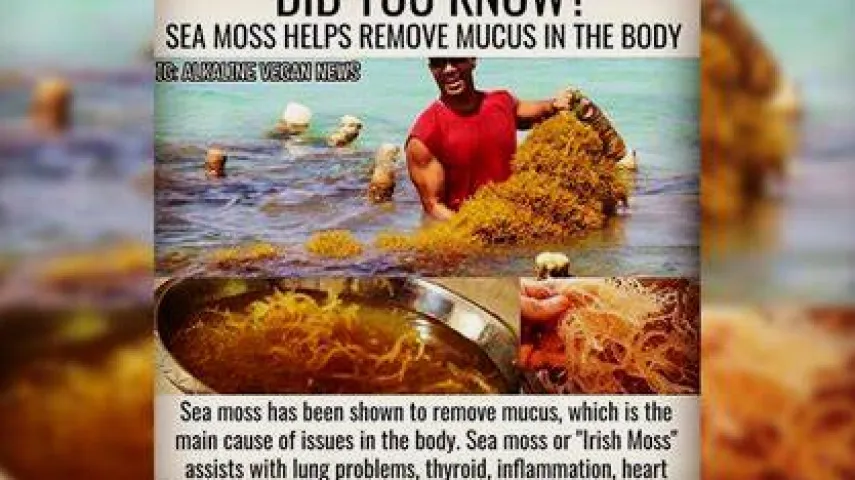
Sea moss contains iodine and other nutrients, but its promoted benefits lack strong human evidence. Learn its possible benefits, side effects, and safety concerns.
Explore oil of oregano benefits, evidence limits, side effects, product differences, and safety considerations before choosing a supplement.
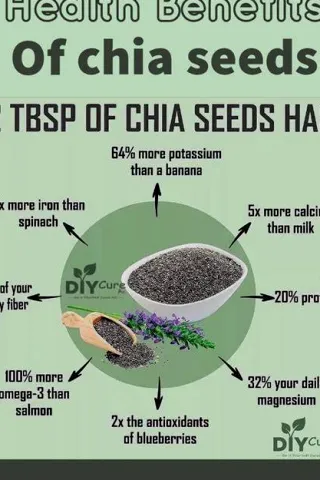
Discover what chia seeds provide, what human research says about their benefits, and how to add this fiber-rich food to your diet safely.
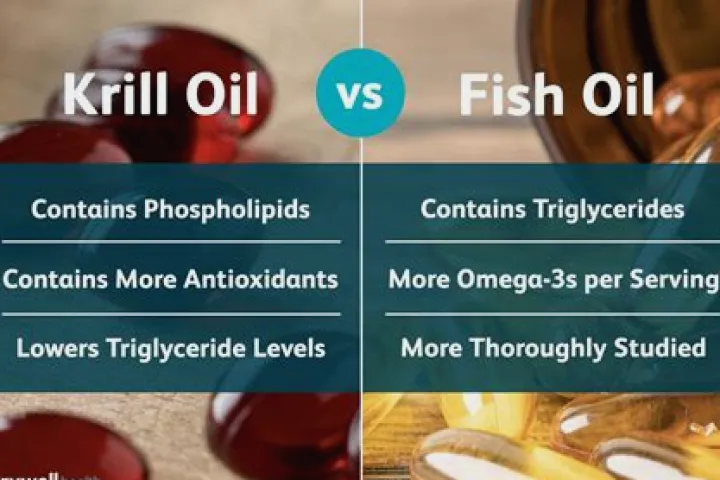
Compare krill oil and fish oil by omega-3 content, absorption evidence, benefits, safety, cost, and label quality to make an informed choice.
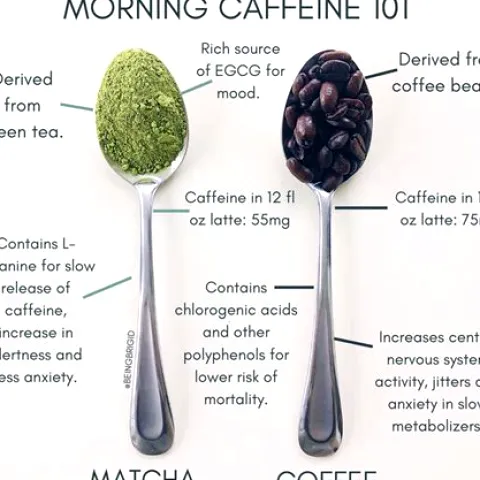
Yes, matcha contains caffeine. A typical 2g serving has 60-70mg, more than regular green tea but often less than coffee. Matcha's L-theanine creates a calmer, longer-lasting energy boost without jitters.
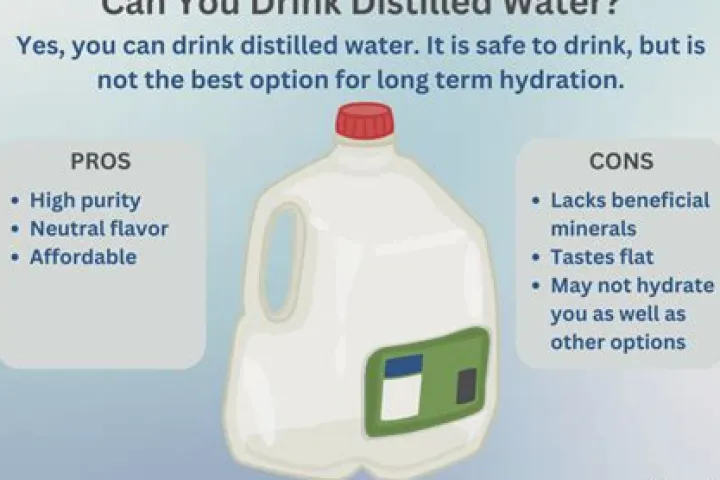
Distilled water is safe to drink but lacks beneficial minerals found in tap water. Explore the benefits, risks, and best uses for distilled water versus filtered, purified, and tap water.
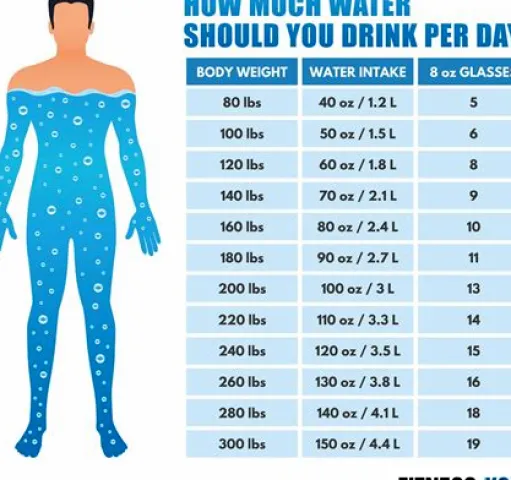
Find out how much water you should actually drink each day based on your individual needs. Understand the science behind hydration recommendations, the factors that affect your personal water requirements, and practical ways to stay properly hydrated.
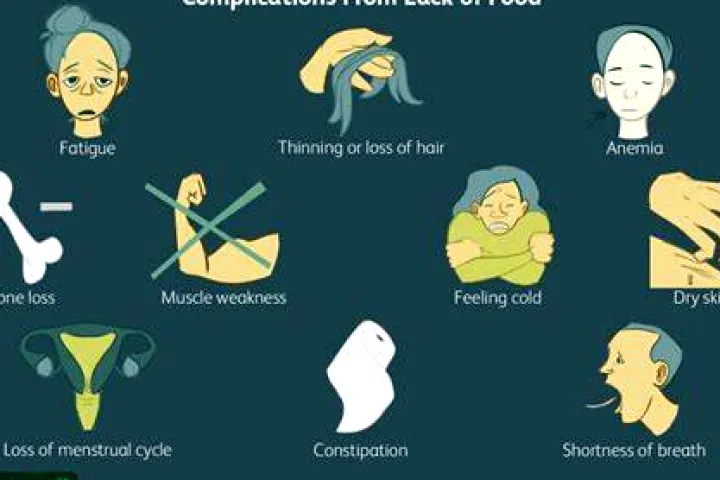
Survival without food varies widely and depends heavily on hydration, health, body reserves, activity, and environment. See what evidence shows and why prolonged fasting is dangerous.
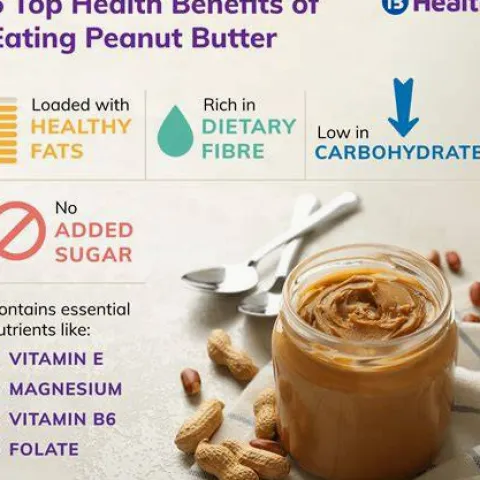
Peanut butter can be a nutritious, protein-rich spread, but its healthfulness depends on the serving, ingredients, and your overall diet. Here is what the evidence supports and how to choose wisely.
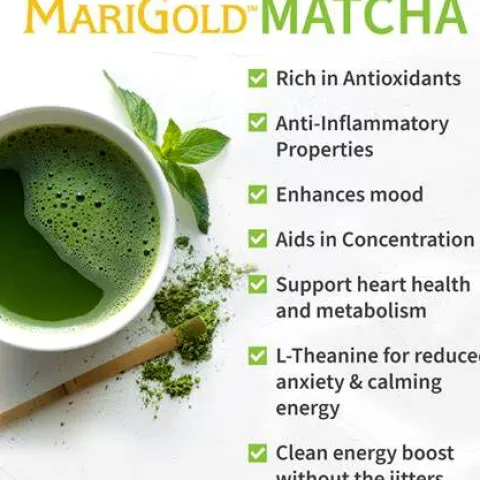
Matcha offers antioxidants and caffeine, but the evidence behind its health claims varies. Find out how it compares with green tea, plus risks and smarter ways to enjoy it.
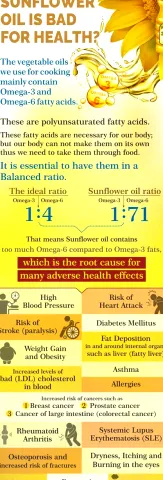
Is sunflower oil bad for you? Find out how oil types differ, what omega-6 and heart-health evidence shows, and how to use it wisely.
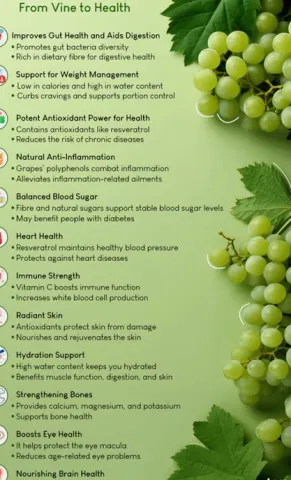
Are grapes good for you, including red grapes? See the real nutrition facts, which health benefits have solid evidence, possible downsides, and how much to eat.
Discover high-protein, low-calorie foods and snacks, with fiber-rich pairings, serving examples, daily targets, and simple ways to stay full.
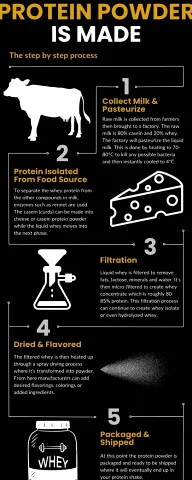
Find out how protein powder is manufactured, with a clear focus on whey processing, plant-based alternatives, filtration, drying, ingredients, and label considerations.